Communities Leading the Charge for Equality in Sport
As national conversations around equality in sport gain momentum, grassroots organisations are stepping up where traditional systems have fallen short by creating inclusive spaces where minority communities not only feel welcome but truly belong.
Often run on limited budgets and powered by volunteers, these grassroots groups are reimagining what inclusive sport looks like, centring accessibility, representation, and cultural understanding at the core of their mission.
Girls Powered Project
Sporting Equals is a UK wide charity that aims to eradicate racism within sports, actively working with over 500 ethnically diverse community groups.
Ellie Bradwell, a representative from Sporting Equals, said: “Ethnically diverse communities can historically be overlooked or might not feel that they belong within certain sporting landscapes”.
Launched in 2021 by Sporting Equals and the Sweaty Betty Foundation, the Girls Powered project aims at getting the least active 13-18 year-old girls in Greater Manchester active.
Girls’ participation in sport takes a sharp dip during these pivotal years, with a mix of shifting priorities and personal changes at play.
From navigating new school environments and looming exam pressure to the physical changes of adolescence and a dip in self-confidence, many quietly step away from the pitch before they’ve had a real chance to find their stride.
The project facilitated a collaboration between Sporting Equals and a range of organisations nationwide, with the primary goals of increasing participation among ethnically diverse girls and enhancing the capacity of these organisations to deliver a wider variety of sports and physical activity sessions.
To see what this looks like in action, we’re shining a light on two of the organisations leading the charge, each finding their own way to make sport more inclusive, and welcoming for the communities they serve.
Jet Black Dance Academy
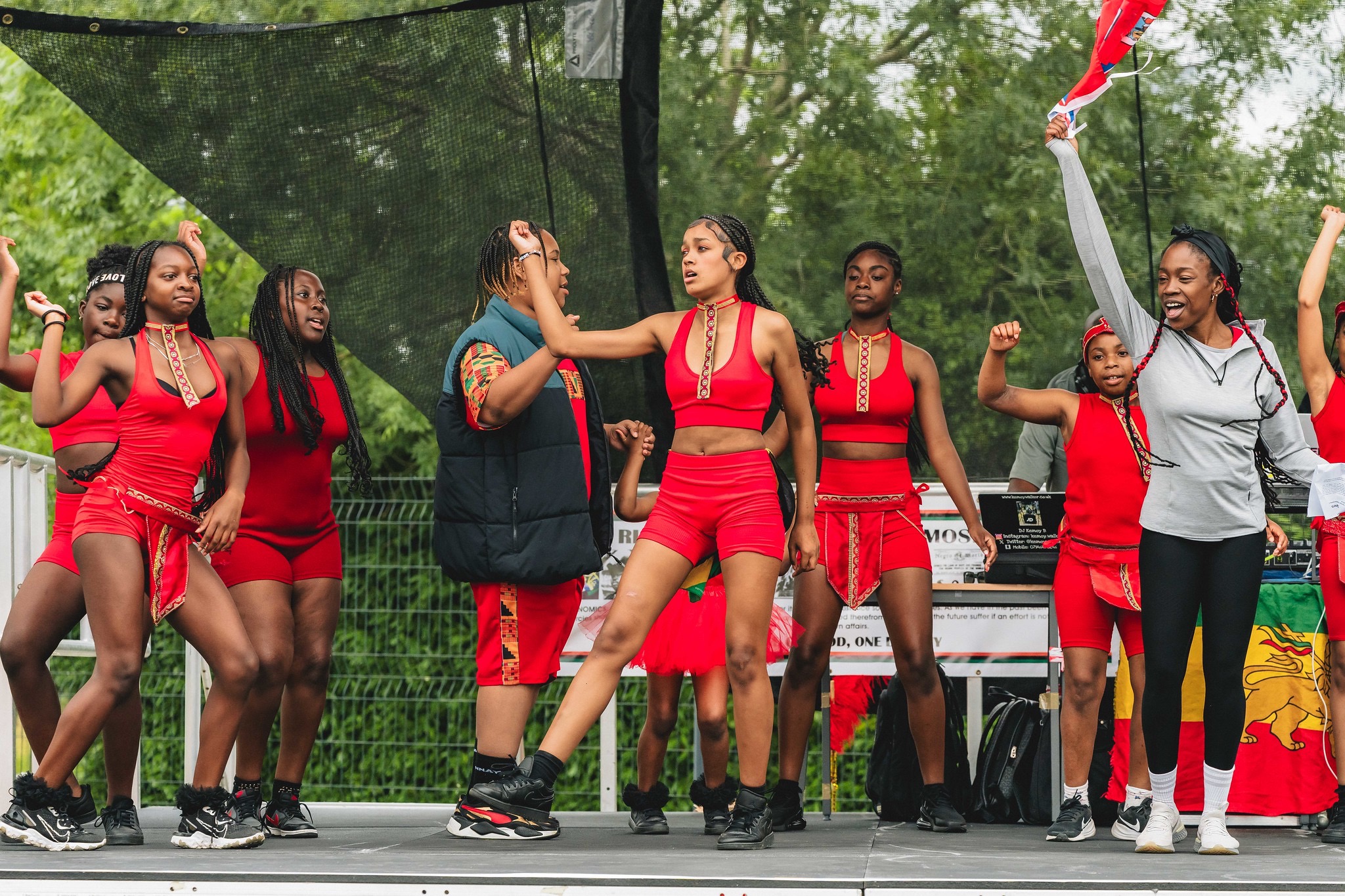
Yosha Gilkes, director of Jet Black Dance Academy, draws inspiration from her Barbadian and Jamaican roots. Having grown up immersed in Caribbean carnivals, Windrush Day events and Kwanzaa celebrations, she brings her passion for cultural expression into everything she does.
Jet Black started as a grassroots initiative to provide accessible dance education. Over time, it has grown into a platform that not only teaches dance but also instils life skills and cultural pride in their students.
With a diverse offering that spans street, contemporary, African and Caribbean dance styles, Jet Black welcomes students aged three to 25 into a space where self-expression and confidence are at the heart of everything.
Central to Jet Black’s ethos is inclusivity. The academy intentionally curates a culturally rich curriculum that reflects the ethnically diverse background of its students.
Yosha explains:
“Through our programmes, students often develop a newfound appreciation for movement, leading them to explore other forms of physical activity and adopt healthier lifestyles”.
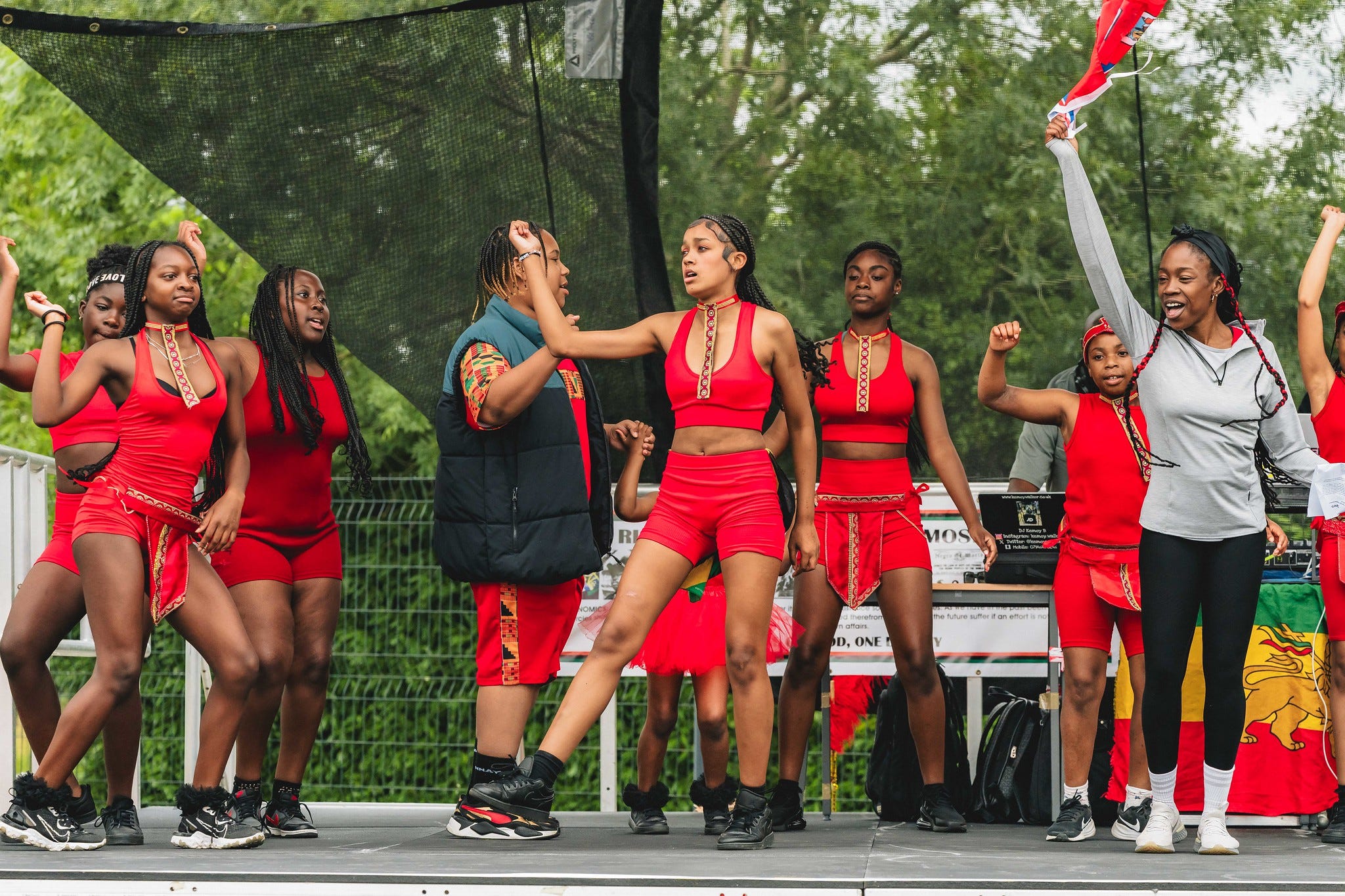
The academy also places a strong emphasis on accessibility, offering affordable classes and support initiatives for those facing socio-economic or cultural barriers.
This ensures that no girl is left behind, regardless of her circumstances.
When asked on the current state of access to physical activity for girls in these communities Yosha stated: “Access to affordable, culturally relevant programmes is limited, and societal stereotypes continue to discourage participation.
“Broader systemic changes are needed to ensure equitable access and to challenge the norms that hinder girls’ involvement in physical activity”.
KRIMMZ Girls Youth Club
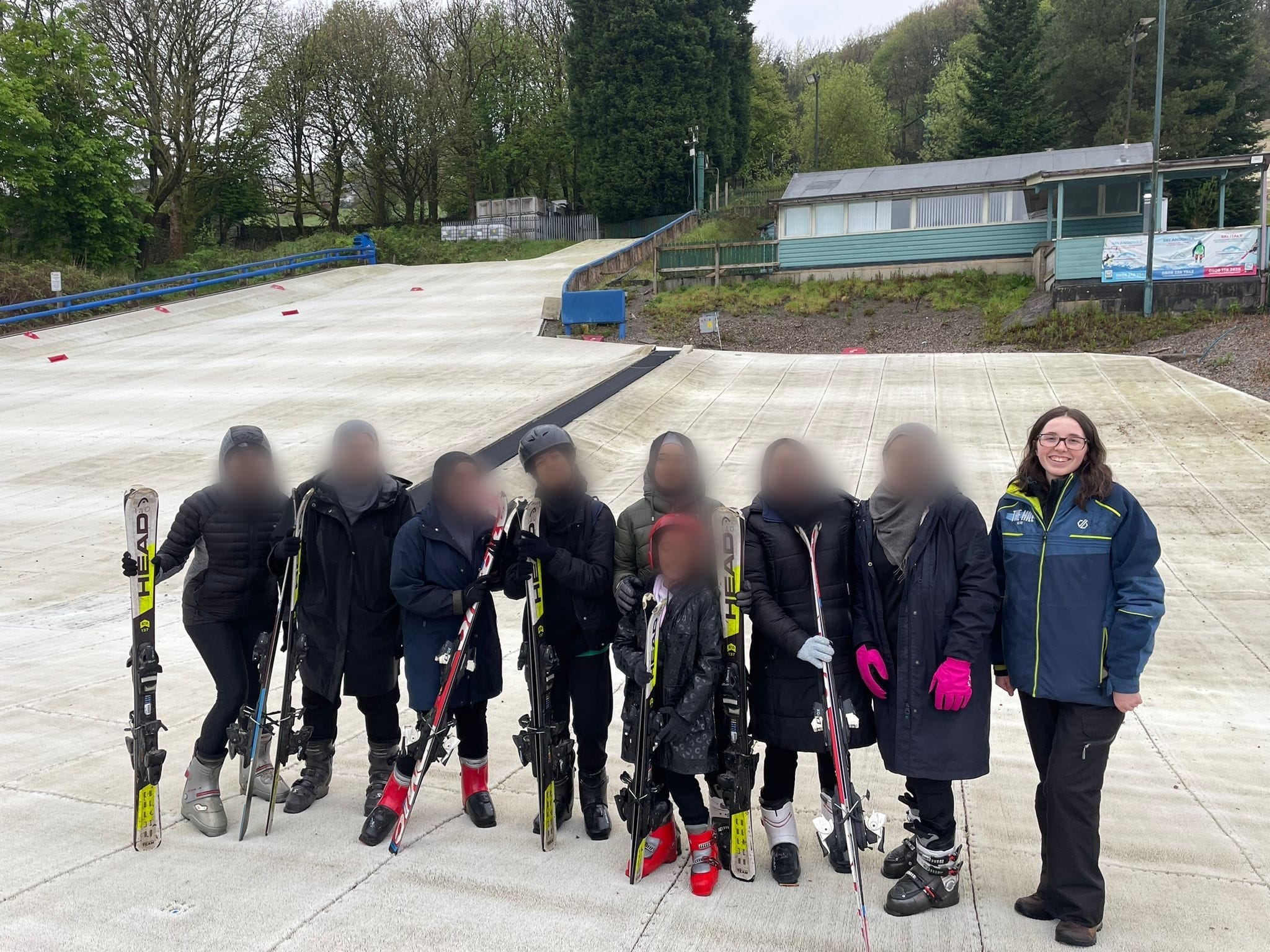
In Bolton, Khadija Patel plays a key role in KRIMMZ, a grassroots organisation dedicated to uplifting the local Muslim community.
As both a volunteer and chairperson, she helps lead a diverse programme of activities, from educational workshops to inclusive sports sessions, aimed at opening doors that too often remain closed.
A report by the Muslimah Sports Association, “Muslim Women in Sport” found that among those respondents who stated they were unlikely to participate in their chosen sports, 64% pointed to the lack of women-only facilities, especially for activities like swimming, and the difficulty in finding comfortable environments to take part.
One participant, aged 18-24 from London, shared, "Attending a women-only swimming session and then being told there were male lifeguards completely defeats the purpose."
For more data journalism on this topic, follow the link here.
New Data Reveals Barriers to Sport for Minority Communities
KATE DENING·6 MAY
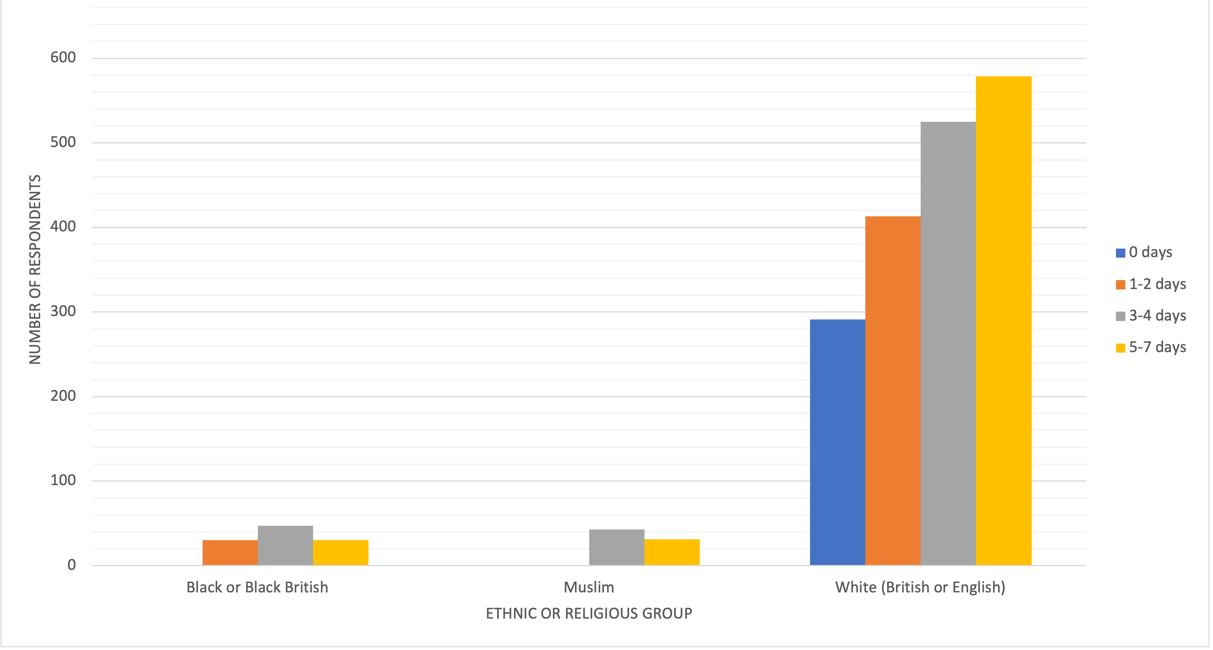
Despite the growing awareness of the importance of physical activity for mental and physical wellbeing, new data reveals that significant gaps remain in who has access to and feels welcome in the world of sport.
Khadija said: “I believe change is necessary, especially at the top levels of leadership. While I’m not questioning their education, there’s a clear need to help them understand what’s truly happening on the ground”.
Too often, those in strategic positions of change seem entirely disconnected from grassroots realities.
“If they could see first hand how things work at the community level, they might recognise that this model is effective and worth supporting”.
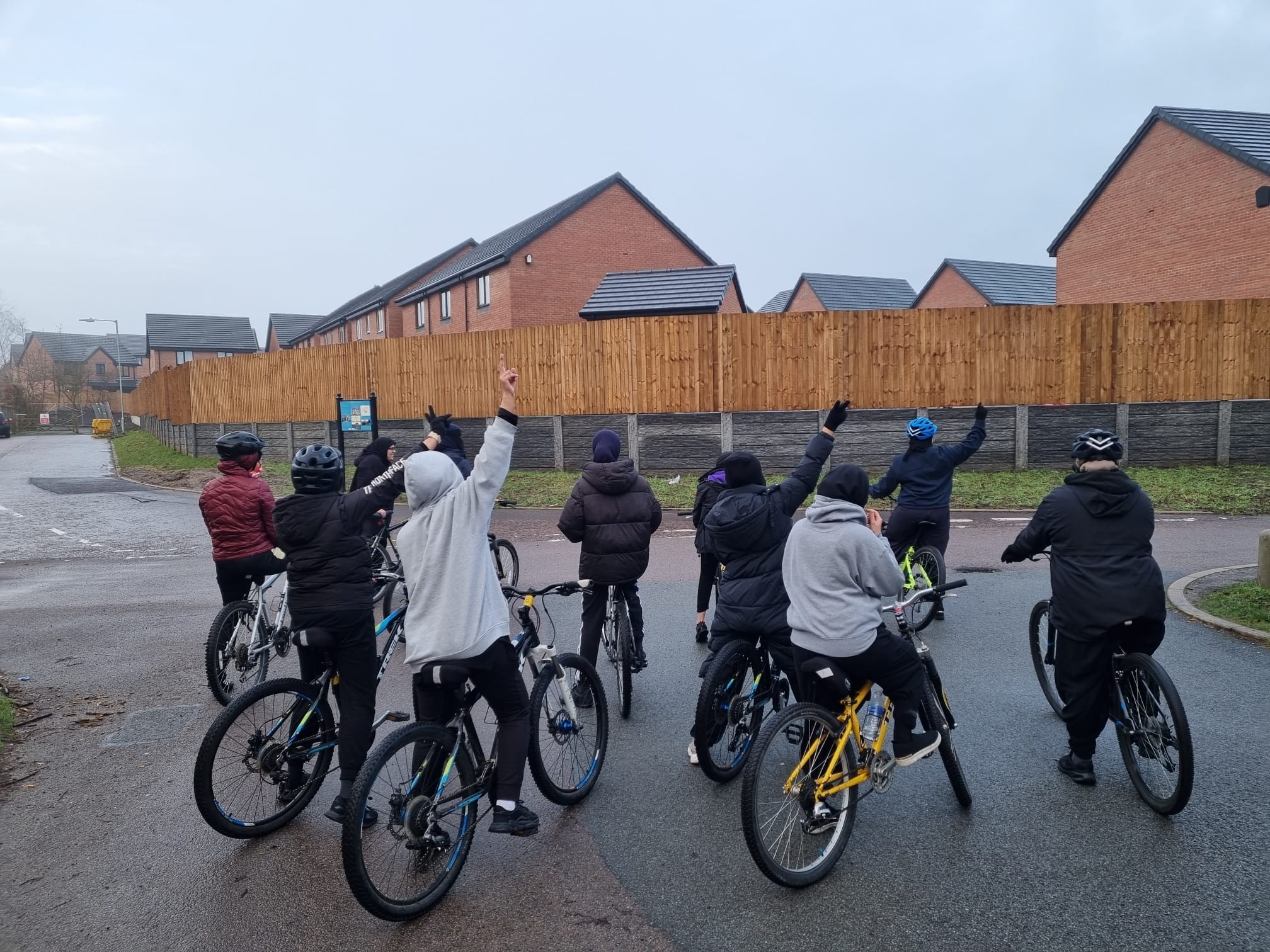
By keeping fees low and creating a welcoming environment that respects faith and cultural needs — like prayer times, modest clothing, and the importance of female-only sessions with female coaches — the organisation breaks down barriers and challenges stereotypes around who gets to take part.
Khadija explained: “As a young Muslim person, looking after your physical wellbeing, your spiritual wellbeing and mental emotions are all part of the process”.
Among the many success stories to emerge from the programme, one young woman’s journey stands out. Once quiet and hesitant to join in, she took her first steps into sport with gentle encouragement from her parents and the steady support of KRIMMZ.
What began as a reluctant try at cricket sessions slowly blossomed into something bigger. Over time, her confidence and commitment soared. Today, she’s a qualified Level 2 cricket coach, leading sessions twice a week and inspiring the next generation with the same care that once guided her.
Khadija shared her frustration with the way some communities are labelled as ‘hard to reach’, arguing that the problem isn’t with the people — it’s with the approach.
“The issue lies in how people approach them,” she said.
These communities aren’t out of reach; they’re simply not being engaged in ways that reflect their values, needs or lived experiences.
Khadija emphasised the importance of culturally informed outreach and called for a shift in perspective, one that meets communities where they are, not where others expect them to be.
While national efforts to make sport more inclusive often lose momentum in policy discussions, grassroots organisations are already delivering real, on-the-ground impact.
Through culturally relevant programming, community-first approaches, and a deep understanding of lived experience, groups like Jet Black Dance Academy and KRIMMZ Girls Youth Club are showing what real inclusivity looks like in action.
These initiatives remind us that true progress in sport doesn’t trickle down from the top, it rises up from the community.
Post a comment